
Annual subscription

Medieval Monastic Rhythms Calendar

Walk the liturgical year with saints, seasonal work, and contemplative prompts — from Advent vigils to harvest ales, grounded in the Rule of St. Benedict.

$5/yearly
Auto-renews. Skip or cancel anytime.By subscribing you authorize annual charges until you cancel.
VisaMastercardAmexPayPal

THE PROCESS

HOW IT WORKS

01

Subscribe

Confirm your plan and get instant access to this month's download hub.

02

Download the ICS

Grab the curated ICS file with events and reminders.

03

Import to your calendar

Open the ICS in Google Calendar, Apple Calendar, or any iCal-compatible app.

What You Receive

The Rule of St. Benedict and the medieval liturgical calendar gave monastic communities a shared rhythm of prayer, work, and rest. This calendar brings that rhythm into the modern year: major feasts (Benedict, Scholastica, Bernard, Cistercian abbots), liturgical seasons (Advent through Ordinary Time), and the seasonal tasks that filled the cloister — gardening, brewing, harvesting, and copying manuscripts. Each event is grounded in historical sources so subscribers can walk the year with both devotion and accuracy.

Rule of St. Benedict and liturgical seasons

Feast days and monastic daily life

Seasonal work and contemplative prompts

SAMPLE EVENTS

A glimpse into the sacred days you will uncover.

Laetare Sunday — Mid-Lent Reprieve

Laetare Sunday — Mid-Lent Reprieve

March 10

Laetare Sunday (the fourth Sunday of Lent) takes its name from the introit "Laetare Jerusalem" — "Rejoice, O Jerusalem." In medieval monasteries, Lenten austerity was briefly relaxed: flowers were permitted on the altar, rose vestments might be worn, and in some houses a modest taste of sweet ale or simnel cake marked the midpoint of the fast. The day foreshadows the joy of Easter while acknowledging the long stretch of Lent still ahead. Monastic chronicles often note the relief that Laetare brought to the community.

Feast of St. Benedict — Patriarch of Western Monasticism

Feast of St. Benedict — Patriarch of Western Monasticism

March 21

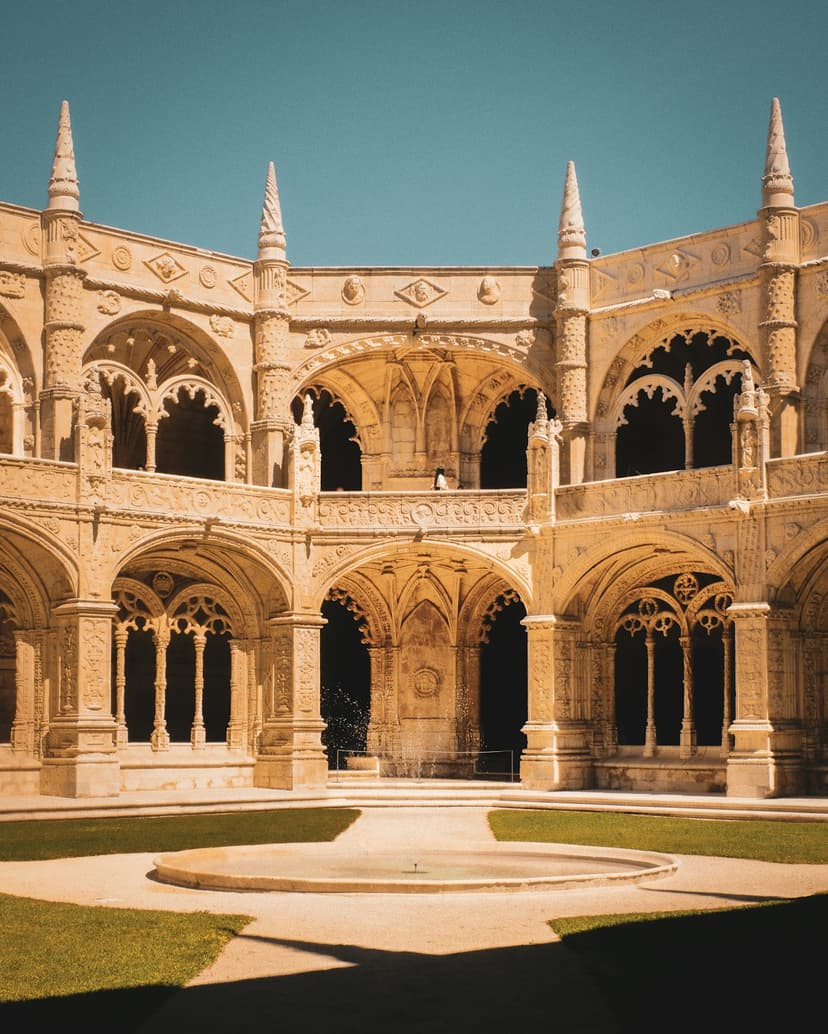
March 21 is the traditional date of St. Benedict's death (c. 547) at Monte Cassino; in the Benedictine calendar it is kept as a solemn commemoration alongside the principal feast on July 11. Benedict's Rule — with its balance of ora et labora (prayer and work), stability, and hospitality — became the template for Western monasticism. Monasteries marked this day with processions, the reading of the Rule, and special meals. The date falls in Lent, so observance was often restrained but still marked with reverence for the father of the order.

Annunciation of the Lord — Lady Day

Annunciation of the Lord — Lady Day

March 25

The Annunciation (Lady Day) was one of the major feasts of the medieval church and monastic calendar. Even in Lent, it was celebrated with full solemnity: the angel's announcement to Mary, the Incarnation, and the beginning of the liturgical year in some reckonings. Monasteries celebrated with Mass, processions, and often a reprieve from Lenten fasting. The feast was a fixed point in the agricultural and legal year as well — rents and contracts were often due at Lady Day.

Passiontide Begins — Veiling and Silence

Passiontide Begins — Veiling and Silence

March 30

The fifth Sunday of Lent (Passion Sunday) traditionally began Passiontide: crosses and images were veiled in purple, and the liturgy turned explicitly toward the Passion. In monastic custom, greater silence and abstinence were observed. The Rule's emphasis on Lenten discipline — "during these days let us add something to the usual measure of our service" — was felt in the choir, the refectory, and the cloister. This period prepared the community for Holy Week and the Triduum.

Why subscribers love it

Blend historical detail with reflection prompts so each day offers both learning and a chance to adapt monastic wisdom to contemporary life.

Ground your year in the same liturgical and seasonal rhythm that shaped medieval Benedictine and Cistercian life across Europe

Experience feast days and fasts with historical context: why Laetare Sunday brought flowers and ale, how chapter and collation structured the day

Connect liturgy and labour: brewing, harvest, and scriptorium work tied to the calendar

Use the included prompts for lectio divina or quiet reflection, with links to primary sources and monastic communities

FAQs

Avoid duplicating generic liturgical calendars — we highlight monastic-specific feasts, chapter customs, and the seasonal work that made the cloister a living calendar.

What do I receive each month with the Medieval Monastic Rhythms Calendar?

You receive a curated set of 2-3 events with dates, context, and links to reputable sources. Import the provided ICS file to keep everything in your preferred calendar app.

Can I cancel anytime?

Yes. Cancel with a single click before your next billing date and you will not be charged again.

How accurate is the research?

We cite public, reputable sources and call out where historians or communities disagree. When dates vary by source, we choose a standard reference and note it for you.

How do I add the ICS to my calendar?

Download the ICS file and import it into Google Calendar via Settings → Import, or into Apple Calendar by double-clicking the file on Mac or tapping it on iOS.

Subscribe – $5