
Annual subscription

Mayan & Mesoamerican Day Energies Calendar

Decode the sacred cycles of the Maya. Connect with the Tzolkʼin and Haab calendars through day energies, ceremonies, and the wisdom of ancient Mesoamerica.

$5/yearly
Auto-renews. Skip or cancel anytime.By subscribing you authorize annual charges until you cancel.
VisaMastercardAmexPayPal

THE PROCESS

HOW IT WORKS

Enter the Sacred Cycles
01

Enter the Sacred Cycles

Subscribe to the Mayan & Mesoamerican Day Energies Calendar and unlock access to the Tzolkʼin and Haab cycles, day energies, agricultural festivals, and ceremonies honoring maize, rain, and the cosmos. Connect with 3,000+ years of Mesoamerican tradition and astronomical wisdom.

Align with the Cosmos
02

Align with the Cosmos

Sync the Mayan calendar cycles to your digital life. Watch as Tzolkʼin day energies, Haab months, Wayeb periods, and equinox celebrations appear alongside your modern schedule, connecting you to the sophisticated timekeeping system that guided the Maya for millennia.

Honor the Cycles of Time
03

Honor the Cycles of Time

Receive notifications with day energies from the Tzolkʼin, agricultural context from the Haab, mythological stories, archaeological insights from Chichén Itzá and Tikal, and modern reflection prompts. Connect with the cycles of maize, rain, and the cosmos that shaped ancient Mesoamerica.

What You Receive

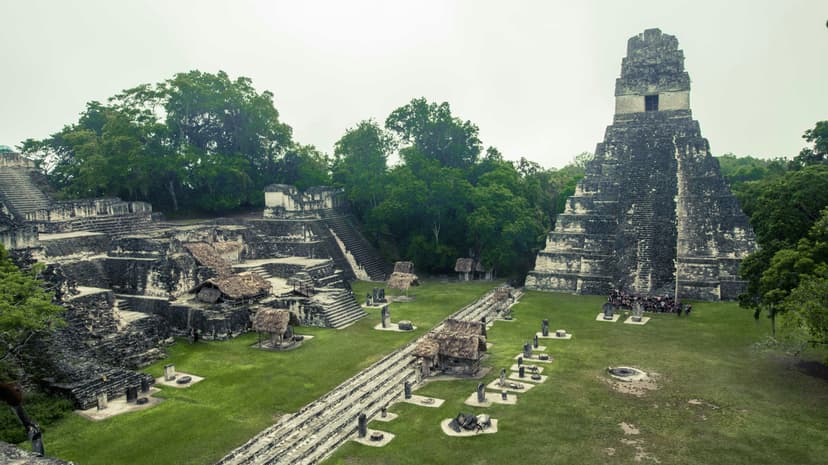
The Mayan calendar system is one of the most sophisticated and well-documented in human history. The Tzolkʼin (260-day sacred cycle) and Haab (365-day solar year) calendars interlock to create a 52-year Calendar Round. These cycles guided agricultural practices, religious ceremonies, and daily life for over 3,000 years. Today, Maya communities continue to observe these calendars, and archaeological sites like Chichén Itzá and Tikal reveal the profound astronomical knowledge of the ancient Maya.

Tzolkʼin day energies and their spiritual significance

Haab months and agricultural festivals tied to maize and rain

Wayeb period and New Year ceremonies

SAMPLE EVENTS

A glimpse into the sacred days you will uncover.

Wayeb - Five Reflective Days (End of Haab Year)

Wayeb - Five Reflective Days (End of Haab Year)

July 21-25

The final five “nameless” days of the Haab year — the Wayeb — fell between the last day of the eighteenth month and the first day of Pop, and were considered outside the normal flow of time. Because they had no day names, they were thought to be dangerous: the boundary between years was a crack in the cosmic order when ill fortune could slip through. Households observed cleansing rituals, avoided unnecessary travel, and refrained from major undertakings; in some traditions, people stayed indoors and made offerings to ward off malevolent forces. The Wayeb was a time of reflection and preparation before the Haab New Year on 1 Pop, when the world was symbolically renewed. Modern Maya daykeepers and communities in Guatemala and Mexico still honor this period with quiet reflection, house-cleaning, and ceremonies that acknowledge the vulnerability and possibility of the threshold between one cycle and the next.
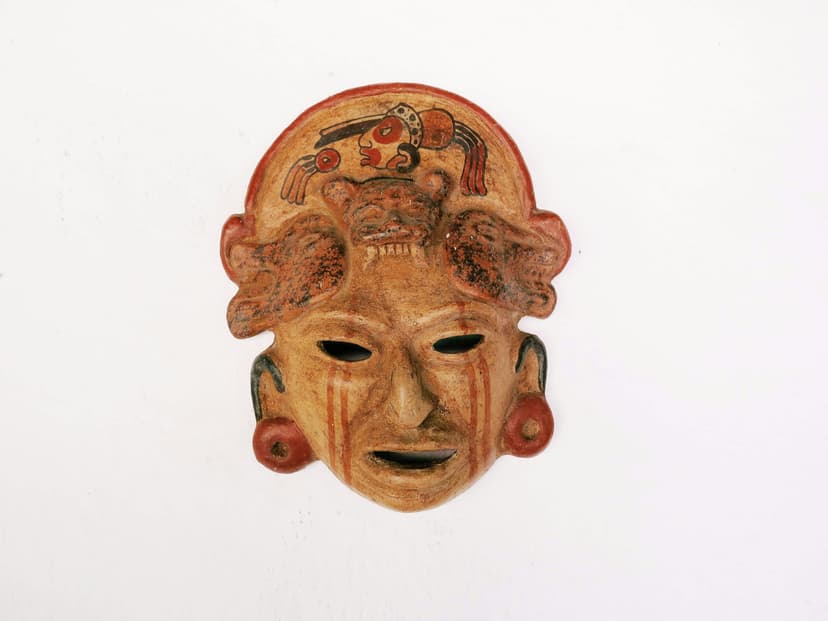
1 Pop - Haab New Year (Beginning of the Year)

1 Pop - Haab New Year (Beginning of the Year)

July 26

The first day of the Haab month Pop, marking the beginning of the new solar year. This was a time of community renewal, celebration, and fresh starts. Ancient Maya communities gathered for ceremonies, made offerings of maize and other crops, and set intentions for the year ahead. The month Pop (meaning "mat" or "throne") was associated with leadership, community, and the foundation of the year. Modern Maya communities continue to celebrate this day with traditional ceremonies, music, dance, and offerings to honor the cycles of time and agriculture. The New Year represents the completion of the Calendar Round cycle and the beginning of a new 52-year period, a moment of profound significance in Maya cosmology.

Equinox Preparation - Kukulcán Serpent Alignment

Equinox Preparation - Kukulcán Serpent Alignment

July 31

As we approach the autumn equinox, this is a time to reflect on the astronomical precision of Maya architecture. At Chichén Itzá, the Pyramid of Kukulcán (El Castillo) is aligned so that during the spring and autumn equinoxes, shadows create the illusion of a feathered serpent descending the pyramid steps. This phenomenon honors Kukulcán (the Maya name for Quetzalcoatl), the feathered serpent deity associated with wisdom, agriculture, and the cycles of time. The Maya's ability to align structures with celestial events demonstrates their sophisticated understanding of astronomy and its connection to agricultural cycles and religious ceremonies.

Why subscribers love it

Focus on the “energy of the day” and educational context to translate complex cycles into modern action.

Understand one of humanity's most sophisticated calendar systems

Connect with 3,000+ years of Mesoamerican tradition and wisdom

Learn about day energies and how they influenced ancient Maya life

Modern reflection prompts to apply ancient wisdom today

Cancel anytime with no penalties

FAQs

Calendar conversion between the Maya Long Count and Gregorian calendar requires careful calculation—we use established correlation constants (primarily the GMT correlation) while noting scholarly debates. Some dates vary by region and historical period—we provide well-documented dates while explaining regional variations. The Tzolkʼin and Haab cycles are continuous and don't align perfectly with Gregorian months—we highlight key days and periods while explaining the cyclical nature of the calendars.

What do I receive each month with the Mayan & Mesoamerican Day Energies Calendar?

You receive a curated set of 2-3 events with dates, context, and links to reputable sources. Import the provided ICS file to keep everything in your preferred calendar app.

Can I cancel anytime?

Yes. Cancel with a single click before your next billing date and you will not be charged again.

How accurate is the research?

We cite public, reputable sources and call out where historians or communities disagree. When dates vary by source, we choose a standard reference and note it for you.

How do I add the ICS to my calendar?

Download the ICS file and import it into Google Calendar via Settings → Import, or into Apple Calendar by double-clicking the file on Mac or tapping it on iOS.

Subscribe – $5