Annual subscription

Japanese Seasonal Festivals Calendar

From the first shrine bell of Shogatsu to the floating lanterns of Obon — follow a thousand years of matsuri, moon-viewing, and sacred seasons through every month of the Japanese year.

$5/yearly
Auto-renews. Skip or cancel anytime.By subscribing you authorize annual charges until you cancel.
VisaMastercardAmexPayPal

THE PROCESS

HOW IT WORKS

01

Subscribe

Confirm your plan and get instant access to this month's download hub.

02

Download the ICS

Grab the curated ICS file with events and reminders.

03

Import to your calendar

Open the ICS in Google Calendar, Apple Calendar, or any iCal-compatible app.

What You Receive

Japan's matsuri calendar is one of the richest and most continuous festival traditions on Earth, with roots stretching back over a thousand years through Shinto shrine rites, Buddhist temple ceremonies, imperial court customs, and folk traditions that vary from village to village. The Japanese concept of kisetsukan — a heightened awareness of seasonal change — shapes everything from cuisine and clothing to poetry and architecture, and the festival calendar is its most vivid expression. Shogatsu opens the year with shrine visits and sacred silence; Setsubun drives out winter demons with roasted beans; cherry blossoms transform parks into open-air poetry readings; Gion Matsuri fills Kyoto with enormous yamaboko floats whose origins trace to an 869 CE plague; Obon welcomes ancestor spirits home with bon odori dancing and floating lanterns; and the 108 bell strikes of Omisoka cleanse the 108 worldly desires before the cycle begins again. Because so many of these traditions have been recognized by UNESCO as Intangible Cultural Heritage, and because Japan's seasonal aesthetic profoundly influences global design, food culture, and contemplative practice, subscribers discover connections between ancient ritual and modern life with every entry.

Gion Matsuri, Awa Odori, Sanja Matsuri, and Chichibu Night Festival — Japan's most spectacular processions brought to life

The poetic seasons of Japanese culture: hanami cherry blossoms, tsuyu rainy season, Obon ancestor spirits, tsukimi harvest moon, momiji autumn leaves

Shinto shrine rites, Buddhist temple ceremonies, and folk traditions that reveal how Japan's spiritual traditions interweave

SAMPLE EVENTS

A glimpse into the sacred days you will uncover.

Tanabata — The Star Festival

Tanabata — The Star Festival

July 7

On the seventh night of the seventh month, the celestial lovers Orihime (Vega) and Hikoboshi (Altair) cross the Milky Way to reunite — and across Japan, bamboo branches bloom with tanzaku paper wishes in every color. The legend, derived from Chinese Qixi, tells of a weaver princess and a cowherd separated by the Milky Way and permitted to meet only once a year when magpies form a bridge. Families and schools write wishes on narrow strips of paper and tie them to bamboo; in Sendai and other cities, enormous streamer decorations transform shopping streets into rivers of color. The festival marks the start of the summer rainy season and the hope that the skies will clear so the lovers can meet. Tanabata is one of the five ancient sekku (seasonal festivals) and remains a beloved occasion for dreams and star-gazing.
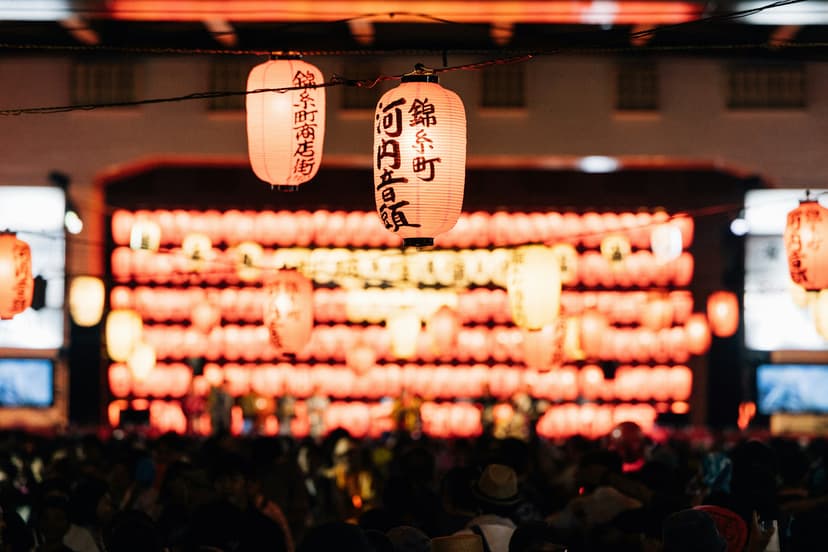
Gion Matsuri — The Grand Procession of Kyoto

Gion Matsuri — The Grand Procession of Kyoto

July 17

The Yamaboko Junko procession is the crown jewel of Gion Matsuri — a month-long festival tracing its origins to 869 CE, when the Emperor ordered prayers at Yasaka Shrine to halt a plague. Thirty-three enormous floats, some three stories tall draped in Nishijin-ori silk tapestries and crowned with tapestries from Flanders and Persia, inch through the ancient streets steered by the daring tsujimawashi turning technique at each corner. The hoko (wheeled floats) and yama (portable shrines) represent Kyoto's merchant guilds and neighborhoods; building and parading them is a year-round commitment. UNESCO recognizes the float procession as Intangible Cultural Heritage. The sight of the floats moving through the narrow streets to the sound of traditional music is the defining image of Kyoto in July.

Sumidagawa Hanabi Taikai — Fireworks over the River

Sumidagawa Hanabi Taikai — Fireworks over the River

July 26

Nearly a million spectators in yukata line the banks of the Sumida River for one of Tokyo's oldest fireworks displays, tracing its origins to 1733 when the eighth Tokugawa shogun ordered fireworks to console the spirits of famine victims. The Sumidagawa Hanabi Taikai launches roughly 20,000 shells over the course of an hour, with professional pyrotechnicians competing for the most inventive and beautiful designs. The tradition of summer fireworks (hanabi) in Japan is inseparable from Obon and the belief that fire guides and honors the spirits of the dead. Food stalls sell cold noodles, grilled corn, and kakigori shaved ice; the humid night air fills with the smell of gunpowder and the collective "ooh" of the crowd. For many Tokyoites, the Sumida fireworks mark the peak of the summer matsuri season.

Why subscribers love it

Each summary weaves four threads together: the festival's Shinto or Buddhist spiritual significance, its historical origins, one vivid sensory or ritual detail that makes you feel present at the event, and a note on regional variation or modern practice that connects ancient tradition to the living culture of today's Japan.

Feel the rhythm of a culture that has elevated seasonal awareness to a philosophy of life — each month brings its own beauty, food, and sacred observance

Understand the Shinto and Buddhist roots behind matsuri that draw millions: why floats are pulled through Kyoto streets, why beans are thrown at demons, why lanterns float downriver in August

Discover regional festivals beyond the famous few — Chichibu's winter fireworks, Morioka's horse procession, Tokushima's ecstatic street dance — and plan future travel with insider knowledge

Every event is cross-referenced to primary sources and cultural institutions, so you can follow each thread from your calendar into the deep archive of Japanese tradition

FAQs

Some festivals follow the old lunisolar calendar and shift dates each year (Obon is observed in July in some regions and August in others; Setsubun occasionally falls on February 2). We default to the most widely observed modern date and note regional variations. Several major matsuri span multiple days or even an entire month — we place them at their climactic moment and explain the full timeline in the summary.

What do I receive each month with the Japanese Seasonal Festivals Calendar?

You receive a curated set of 2-3 events with dates, context, and links to reputable sources. Import the provided ICS file to keep everything in your preferred calendar app.

Can I cancel anytime?

Yes. Cancel with a single click before your next billing date and you will not be charged again.

How accurate is the research?

We cite public, reputable sources and call out where historians or communities disagree. When dates vary by source, we choose a standard reference and note it for you.

How do I add the ICS to my calendar?

Download the ICS file and import it into Google Calendar via Settings → Import, or into Apple Calendar by double-clicking the file on Mac or tapping it on iOS.

Subscribe – $5