
Annual subscription

Chinese Lunar & Solar Traditions Calendar

Live the year through jieqi solar terms and lunar festivals — from Spring Festival to Mid-Autumn, with stories, foods, and ways to celebrate today.

$5/yearly
Auto-renews. Skip or cancel anytime.By subscribing you authorize annual charges until you cancel.
VisaMastercardAmexPayPal

THE PROCESS

HOW IT WORKS

01

Subscribe

Confirm your plan and get instant access to this month's download hub.

02

Download the ICS

Grab the curated ICS file with events and reminders.

03

Import to your calendar

Open the ICS in Google Calendar, Apple Calendar, or any iCal-compatible app.

What You Receive

Chinese lunar and solar traditions are celebrated worldwide; the 24 solar terms (jieqi) and major festivals (Spring Festival, Lantern, Qingming, Dragon Boat, Mid-Autumn, etc.) offer a full year of rich, cross-referenced content. Each event is tied to cultural meaning, seasonal foods, and modern observance.

24 jieqi solar terms with seasonal foods and customs

Major lunar festivals: Spring Festival, Lantern, Qingming, Dragon Boat, Mid-Autumn

Cultural depth: legends, proverbs, and modern celebration ideas

SAMPLE EVENTS

A glimpse into the sacred days you will uncover.

Lichun — Beginning of Spring (Jieqi)

Lichun — Beginning of Spring (Jieqi)

February 3

Lichun is the first of the 24 solar terms and marks the traditional beginning of spring in the Chinese calendar, even when the weather is still cold. Families often eat spring pancakes (chunbing) and fresh radish to "bite spring" (yaochun). The term guides planting and seasonal rituals; it appears in classical texts and remains part of rural and urban observance. Many use the day to plan the year ahead and welcome the yang energy returning.

Yuanxiao — Lantern Festival

Yuanxiao — Lantern Festival

February 12

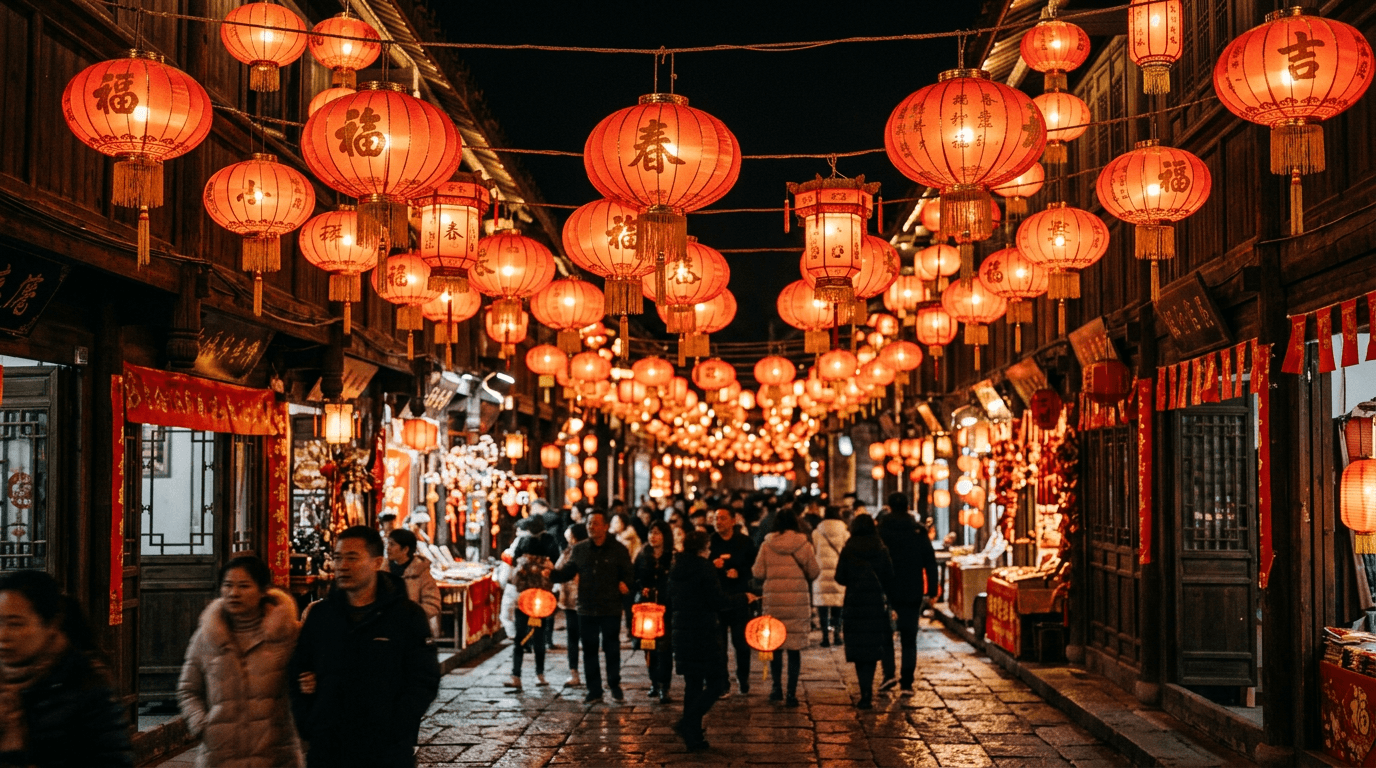
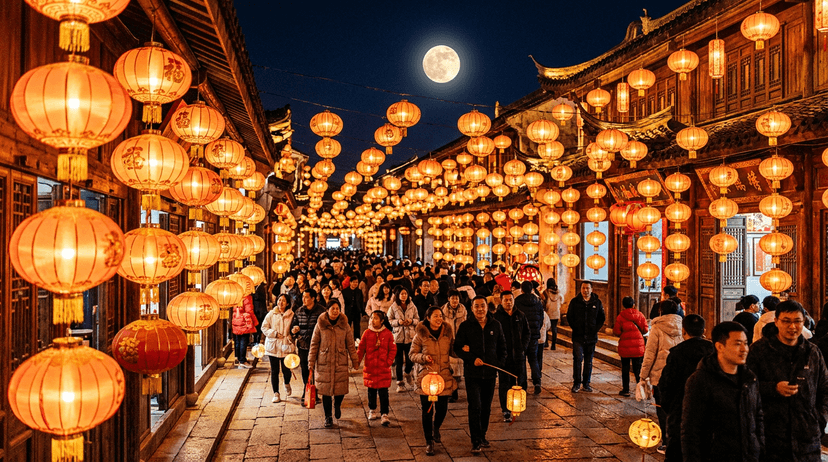
The Lantern Festival falls on the 15th day of the first lunar month, the first full moon of the new year. It closes the Spring Festival period with lantern displays, riddles (caidengmi), and tangyuan — sweet glutinous rice balls symbolizing reunion. Legend ties the day to the Jade Emperor's wrath and a village that lit lanterns to avoid punishment; today cities from Beijing to Taipei hold spectacular lantern festivals. It is a time for family, light, and the hope of the year ahead.

Yushui — Rain Water (Jieqi)

Yushui — Rain Water (Jieqi)

February 18

Yushui, the second solar term, signals the shift from cold to rain and thaw. In traditional farming culture it marks the time when snow turns to rain and rivers begin to swell. Foods like lotus root and honey are recommended to nourish the body in the changing season. The term is part of the lunisolar system that has guided Chinese agriculture and festival timing for thousands of years.

Spring Festival — Lunar New Year (Chunjie)

Spring Festival — Lunar New Year (Chunjie)

January 29

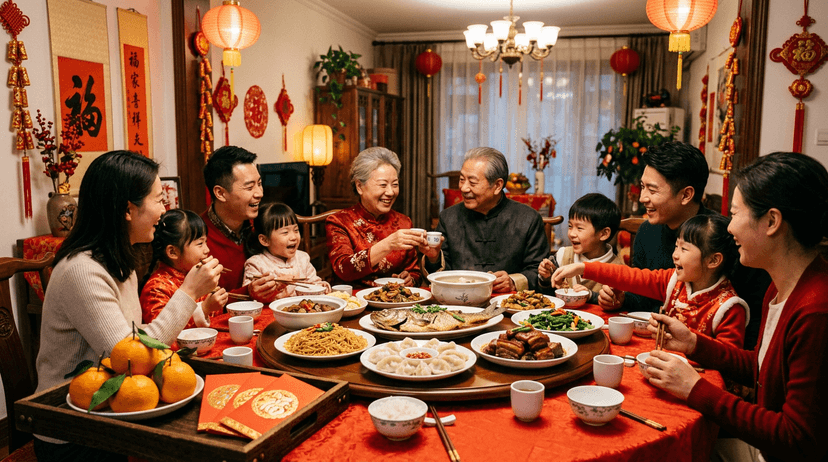
The Spring Festival is the first day of the first lunar month — China's most important holiday. In 2025 it falls on January 29. Families gather for reunion dinner, give red envelopes (hongbao), set off firecrackers, and honor ancestors. The Nian legend, the zodiac cycle (2025 is the Year of the Snake), and regional customs from dumplings to lion dances fill the two-week period. The festival is a public holiday in mainland China, Taiwan, and many diaspora communities worldwide.

Why subscribers love it

Pair traditional stories and authoritative sources with practical, inclusive ideas so each festival and solar term is accessible to global audiences and families.

Follow the same lunar and solar rhythm that has guided Chinese life and agriculture for millennia

Understand why each festival and solar term matters — with stories, foods, and 2+ sources per event

Get accurate dates for 2025 (lunar festivals and jieqi) so you can plan celebrations and teaching

Cancel anytime; one subscription covers the full year of traditions

FAQs

Ensure cultural accuracy and sensitivity; cite authoritative or community sources; differentiate from generic lunar calendars by depth and jieqi coverage.

What do I receive each month with the Chinese Lunar & Solar Traditions Calendar?

You receive a curated set of 2-3 events with dates, context, and links to reputable sources. Import the provided ICS file to keep everything in your preferred calendar app.

Can I cancel anytime?

Yes. Cancel with a single click before your next billing date and you will not be charged again.

How accurate is the research?

We cite public, reputable sources and call out where historians or communities disagree. When dates vary by source, we choose a standard reference and note it for you.

How do I add the ICS to my calendar?

Download the ICS file and import it into Google Calendar via Settings → Import, or into Apple Calendar by double-clicking the file on Mac or tapping it on iOS.

Subscribe – $5