EST. ANCIENT TIMES

CELTIC TRADITIONSMONTHLYCALENDAR

Eight fire festivals, four solar turning points, one unbroken wheel. Rooted in the Coligny calendar, Irish medieval texts, and the living land itself — walk the Celtic year from Samhain's bonfires to Beltane's bloom.

$5/yearly
Auto-renews. Skip or cancel anytime.By subscribing you authorize annual charges until you cancel.
VisaMastercardAmexPayPal

THE PROCESS

HOW IT WORKS

Enter the Sacred Wheel
01

Enter the Sacred Wheel

Subscribe to the Celtic Wheel of the Year and unlock access to the four great fire festivals—Samhain, Imbolc, Beltane, and Lughnasadh—along with solstice and equinox celebrations grounded in the ancient Coligny calendar.

Walk the Ancient Paths
02

Walk the Ancient Paths

Sync the Celtic calendar to your digital life. Watch as sacred festivals marking the turning of the seasons appear alongside your modern schedule, connecting you to 2,000 years of Celtic tradition.

Honor the Turning Seasons
03

Honor the Turning Seasons

Receive notifications with historical context, mythological stories, traditional practices, and respectful modern observance ideas. Connect with the wisdom of the ancient Celts through the rhythms of nature.

EXPERIENCE ANCIENT HISTORY IN YOUR MODERN SCHEDULE.

We bridge the gap between neolithic traditions and the digital age. No spam, just pure cultural connection.

Start your journey →

1. CHOOSE YOUR PATH

Select from Celtic heritage calendar themes that honor the Wheel of the Year.

2. SEAMLESS SYNC

Add our subscription link to Google, Apple iCal, or Outlook. Your calendar updates automatically.

3. CULTURAL INSIGHTS

Receive curated notes on history, rituals, and recipes that bring ancient traditions to life.

What You Receive

The Celtic year is not a modern reconstruction — it rests on hard evidence. The Coligny calendar, a fragmentary bronze tablet unearthed in 1897 near Bourg-en-Bresse, France, records a sophisticated Gaulish lunisolar system of 62 months with intercalary corrections, and its notation trinouxtion Samonii ("three nights of Samhain") confirms that the great fire festivals were continent-wide, not merely Irish. In Ireland, the medieval CELT corpus — Lebor Gabála Érenn, Tochmarc Emire, Sanas Cormaic — preserves festival lore in Old and Middle Irish stretching back to at least the 8th century, while the Mabinogion and Welsh triads carry parallel traditions from Brythonic culture. Archaeological sites anchor these texts to the landscape: Newgrange's passage tomb aligns with the winter solstice sunrise with sub-degree precision after 5,000 years; the Hill of Tara hosted royal inaugurations at Samhain and Beltane; Tlachtga (Hill of Ward) was the site of the national Samhain bonfire from which every hearth in Ireland was relit. The eight-fold Wheel of the Year — four fire festivals (Samhain, Imbolc, Beltane, Lughnasadh) interlaced with four solar festivals (solstices and equinoxes) — gives subscribers a rhythm grounded in both cosmic astronomy and the intimate, earthy details of lambing season, hawthorn blossom, first grain, and the thinning of the veil between this world and the Otherworld.

Fire festivals marking seasonal transitions

Celtic mythology and deity associations

Traditional crafts, foods, and rituals

SAMPLE EVENTS

A glimpse into the sacred days you will uncover.

Samhain - Celtic New Year

Samhain - Celtic New Year

November 1

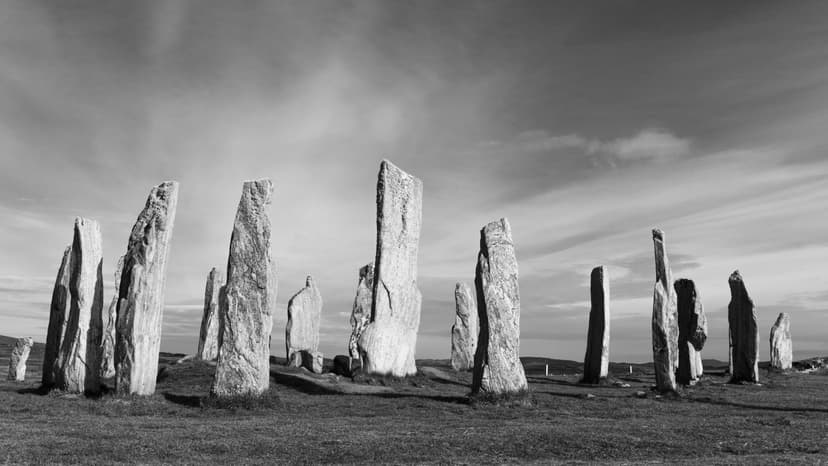
The most important Celtic festival, marking the end of harvest and beginning of winter. Samhain (pronounced "SOW-in") was when the veil between worlds was thinnest, allowing communication with ancestors. Bonfires were lit on hilltops, offerings were made to the spirits, and communities gathered for feasting. This festival later influenced Halloween traditions. The Coligny calendar shows this as a major division in the Celtic year.
Winter Begins - The Dark Half of the Year

Winter Begins - The Dark Half of the Year

November 7

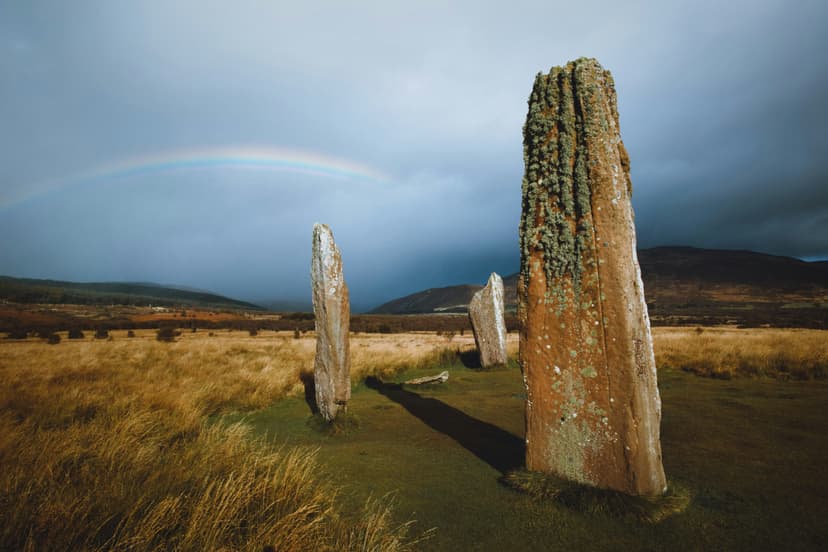
In the Celtic calendar, Samhain marks the start of the "dark half" of the year (Geimhreadh), when days shorten and communities turned inward. This was a time for storytelling, craftwork, and preserving the harvest. The Cailleach, the divine hag of winter, was said to rule this season, bringing storms and cold. Traditional activities included divination, honoring ancestors, and preparing for the long winter ahead.

Feast of the Cailleach — Winter Begins Her Reign

Feast of the Cailleach — Winter Begins Her Reign

November 5

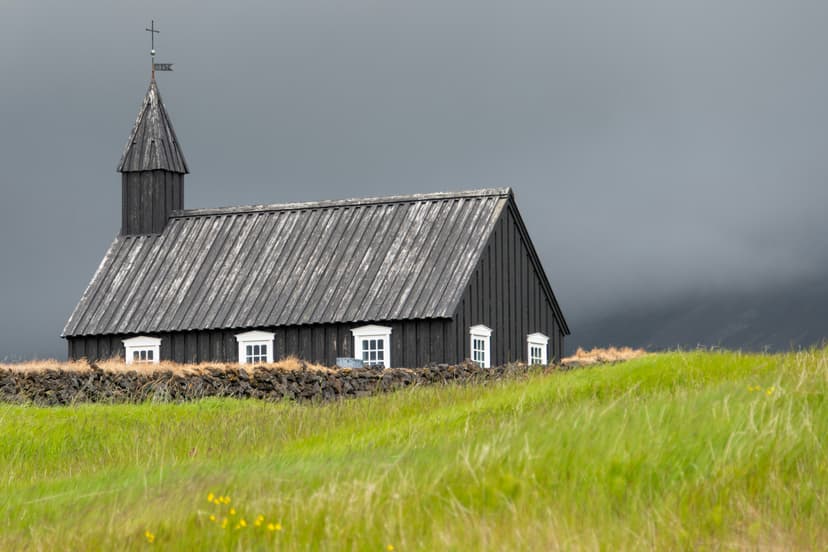
With the passage of Samhain, the Cailleach Bhéara reclaimed her dominion over the land. In Scottish Gaelic tradition, Samhain was the day the Cailleach struck the earth with her staff and froze the ground until Brigid's return at Imbolc. Her realm was not merely cold and dark — it was sovereign, powerful, and necessary. The Cailleach shaped the mountains and rivers, called the storms that pruned the weak and nourished the strong, and guarded the deer on the high ground. This November feast acknowledges that the Cailleach is not Brigid's enemy but her complement — the winter that makes spring possible, the darkness that gives meaning to light.

Why subscribers love it

Blend historical accuracy with living tradition. Each festival includes archaeological context, mythological stories, traditional practices, and respectful modern observance ideas. Honor the ancient Celts while making these sacred days meaningful in contemporary life.

Ground your year in a calendar system attested by the 2nd-century CE Coligny bronze tablet — the most complete Celtic timekeeping document ever discovered

Experience each festival through its archaeological and textual sources: the CELT corpus, Lebor Gabála Érenn, the Mabinogion, and the Irish annals

Reconnect with the land's own rhythms — snowdrop, hawthorn, blackberry, oak — as the Celts measured time by what the earth was doing, not by abstract numbers

Carry these traditions forward: each event links ancient practice to living observance in Ireland, Scotland, Wales, and the global Celtic diaspora

FAQs

Some dates vary between lunar and solar calculations—we use the modern fixed dates while explaining the historical lunisolar system. Some traditions blend ancient Celtic practices with later Christian and modern pagan elements—we distinguish between historical sources and contemporary interpretations.

What do I receive each month with the Celtic Traditions & Wheel of the Year Calendar?

You receive a curated set of 2-3 events with dates, context, and links to reputable sources. Import the provided ICS file to keep everything in your preferred calendar app.

Can I cancel anytime?

Yes. Cancel with a single click before your next billing date and you will not be charged again.

How accurate is the research?

We cite public, reputable sources and call out where historians or communities disagree. When dates vary by source, we choose a standard reference and note it for you.

How do I add the ICS to my calendar?

Download the ICS file and import it into Google Calendar via Settings → Import, or into Apple Calendar by double-clicking the file on Mac or tapping it on iOS.

Subscribe – $5