Annual subscription

Astrology & Zodiac History Calendar

Walk the year by the stars — sun ingresses, moon phases, and planetary cycles grounded in Babylonian, Hellenistic, and modern practice.

$5/yearly
Auto-renews. Skip or cancel anytime.By subscribing you authorize annual charges until you cancel.
VisaMastercardAmexPayPal

THE PROCESS

HOW IT WORKS

01

Subscribe

Confirm your plan and get instant access to this month's download hub.

02

Download the ICS

Grab the curated ICS file with events and reminders.

03

Import to your calendar

Open the ICS in Google Calendar, Apple Calendar, or any iCal-compatible app.

What You Receive

Astrology has huge demand and can blend ancient systems with modern meaning. Sun ingresses, moon phases, and retrogrades are fixed or calculable; we add historical depth and careful sourcing so the calendar stands out.

Sun sign ingresses and seasonal turning points

Full and new moons with traditional names and visibility

Planetary retrogrades and ancient star lore

SAMPLE EVENTS

A glimpse into the sacred days you will uncover.

Flower Full Moon

Flower Full Moon

May 12

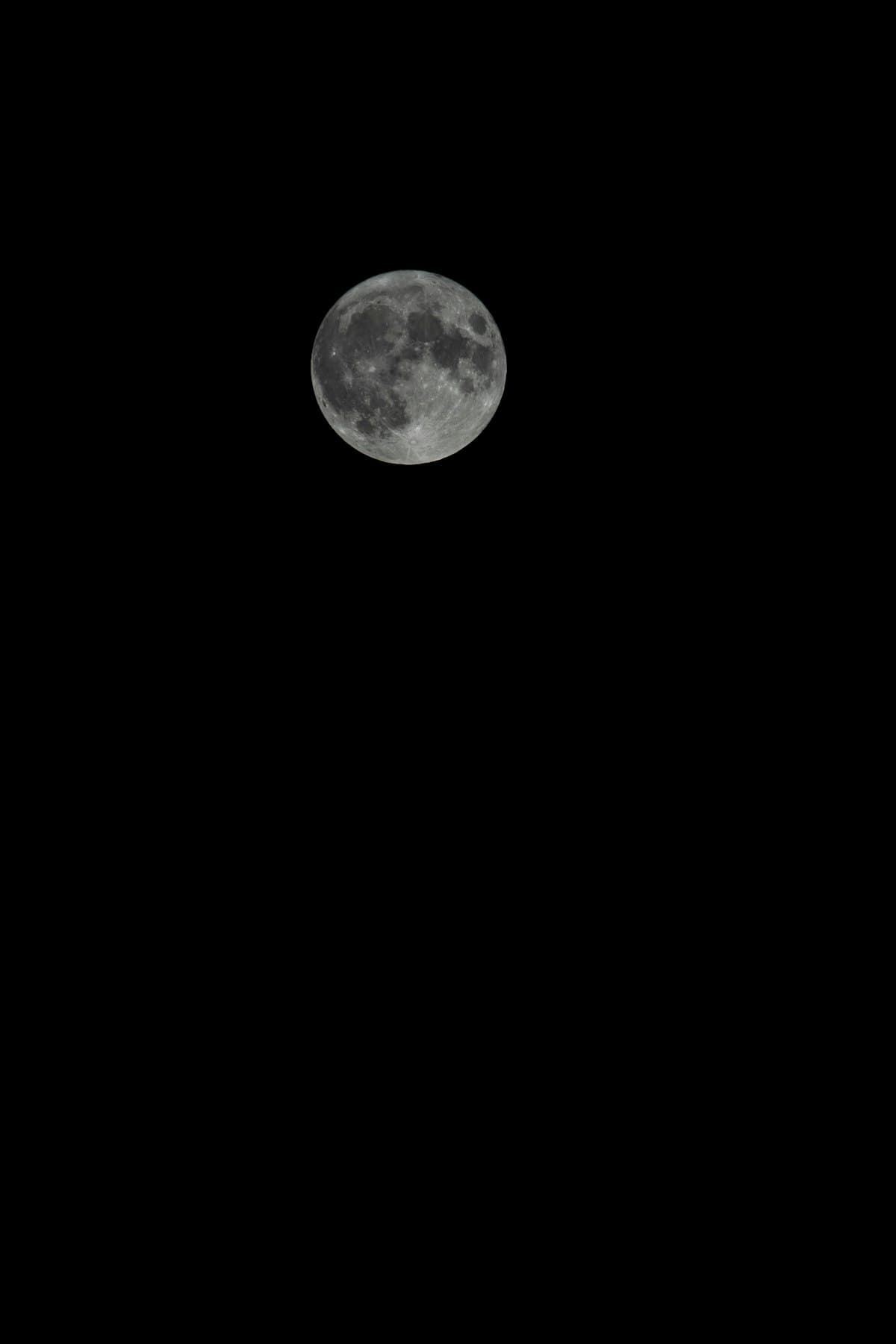
The full moon of May is traditionally called the Flower Moon in North American almanacs, marking the peak of spring blooms. In astrology it often falls in Scorpio or Sagittarius depending on the year; ancient lunar calendars tied this phase to planting and fertility rites. NASA skywatching guides note the best times for viewing. Use this night for visibility tips and a short reflection on how full moons were used as temporal anchors from Babylon to the present.
Sun Enters Gemini

Sun Enters Gemini

May 20

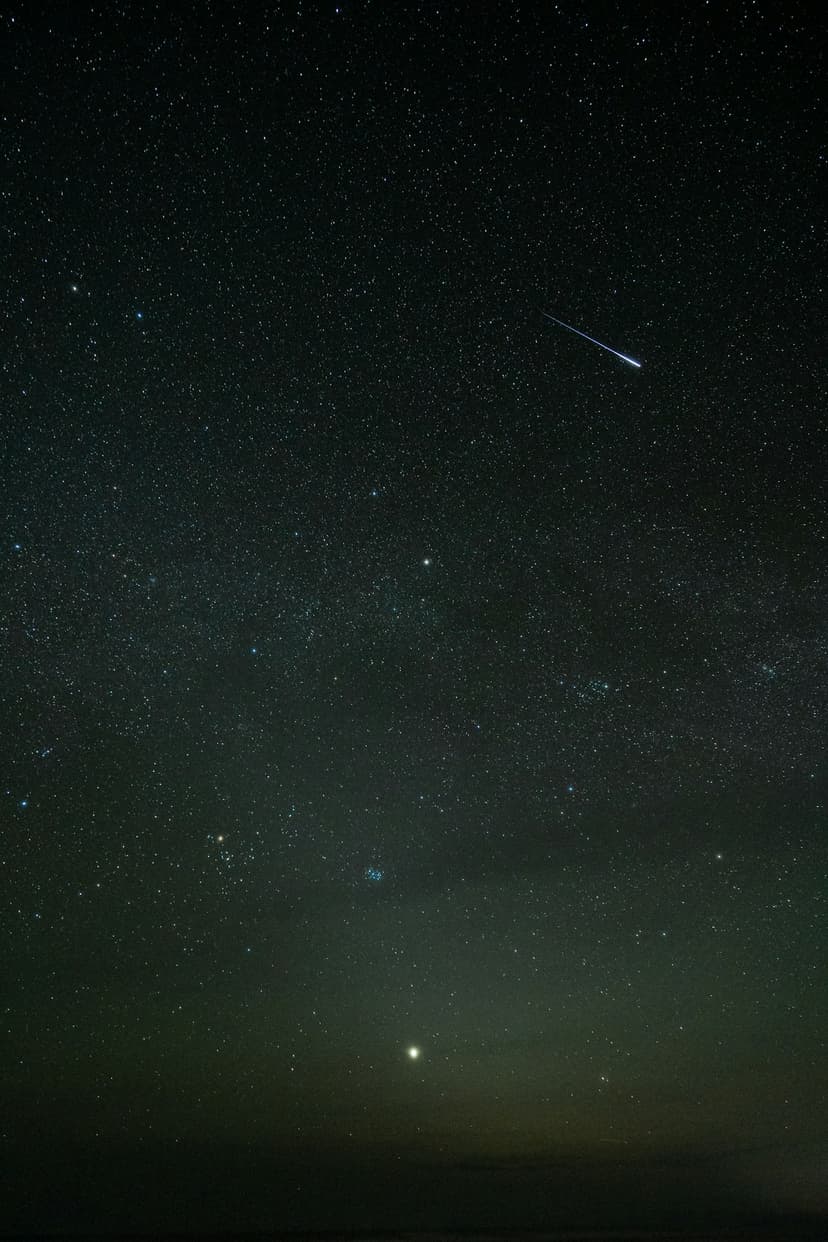
The Sun crosses from Taurus into Gemini around May 20–21 each year, marking the astrological start of Gemini season. Hellenistic and later Western astrology linked Gemini to Mercury, communication, and the myth of the Twins (Castor and Pollux). Babylonian star catalogues and the MUL.APIN tradition laid the groundwork for the 12-sign zodiac we use today. This ingress is a turning point for themes of curiosity, connection, and exchange.

Eta Aquarids Meteor Shower Peak

Eta Aquarids Meteor Shower Peak

May 5

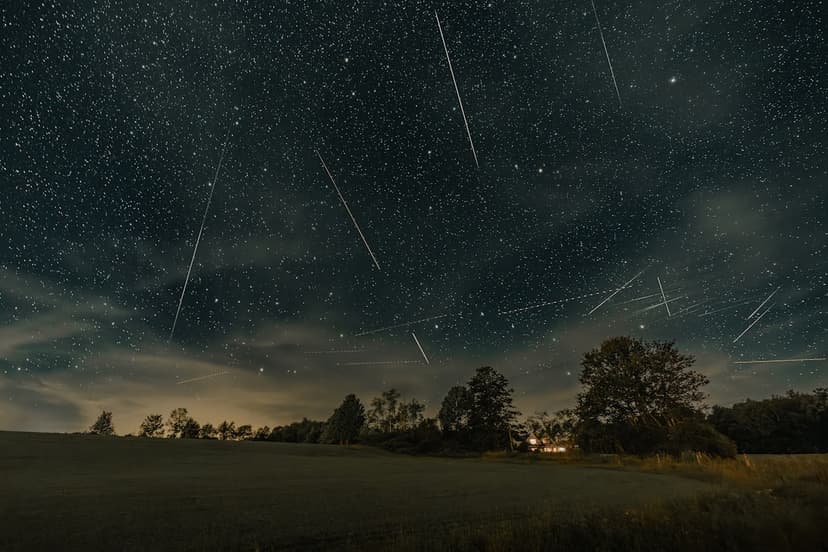
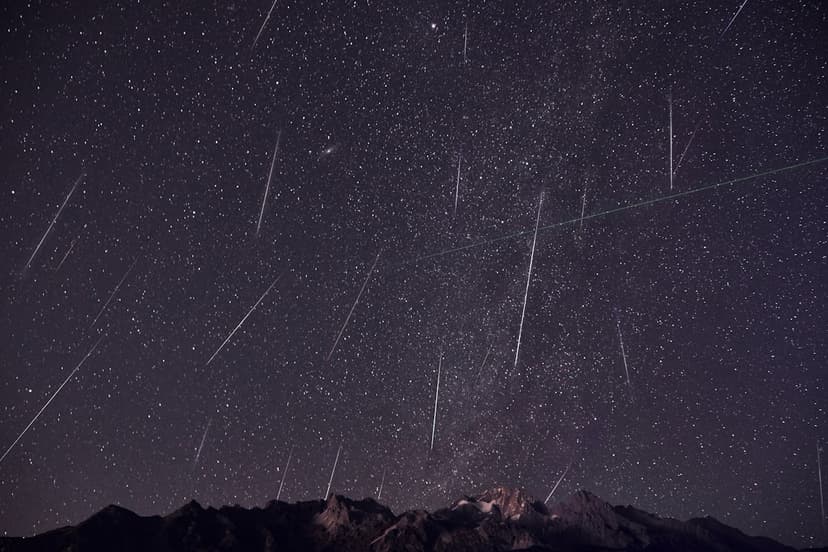
The Eta Aquarids peak in early May, debris from Halley's Comet. They are best seen from the Southern Hemisphere but visible in the Northern Hemisphere in the hours before dawn. Ancient sky-watchers did not know the comet link but noted seasonal fireballs; modern astronomy ties the shower to the comet's orbit. A good date for a brief note on visibility and a nod to how meteor showers have long been woven into sky lore.

New Moon in Gemini

New Moon in Gemini

May 27

The new moon of late May often falls in Gemini, a time when the Sun and Moon align in the same sign. New moons have been used for new beginnings and intention-setting in many traditions; in Hellenistic astrology the lunar cycle was central to timing. This event pairs well with a short note on visibility (new moons are not visible except during a solar eclipse) and a reflective prompt for the Gemini themes of communication and curiosity.

Why subscribers love it

Offer monthly commentary that weaves ancient astrologers’ interpretations with today’s practices.

Sync your year with the same celestial rhythms that shaped Babylonian, Egyptian, and Hellenistic timekeeping

Understand why each sun ingress and moon phase mattered to ancient astrologers — and how to use them today

Get reliable dates for retrogrades, eclipses, and meteor showers with brief historical and ritual context

Cancel anytime; one annual subscription covers the full sky calendar

FAQs

Many astrology subscriptions exist; we stand out with historical depth, academic and NASA sources, and no filler.

What do I receive each month with the Astrology & Zodiac History Calendar?

You receive a curated set of 2-3 events with dates, context, and links to reputable sources. Import the provided ICS file to keep everything in your preferred calendar app.

Can I cancel anytime?

Yes. Cancel with a single click before your next billing date and you will not be charged again.

How accurate is the research?

We cite public, reputable sources and call out where historians or communities disagree. When dates vary by source, we choose a standard reference and note it for you.

How do I add the ICS to my calendar?

Download the ICS file and import it into Google Calendar via Settings → Import, or into Apple Calendar by double-clicking the file on Mac or tapping it on iOS.

Subscribe – $5