



Annual subscription

ANCIENT ROMAN FESTIVALS

Live the Roman year month by month — from the blood and milk of Lupercalia to the torchlit revelry of Saturnalia, with verified dates, vivid storytelling, and rituals you can actually try.

$5/yearly
Auto-renews. Skip or cancel anytime.By subscribing you authorize annual charges until you cancel.
VisaMastercardAmexPayPal

THE PROCESS

HOW IT WORKS

01
Subscribe to the Archives

Subscribe to the Archives

Choose your level of citizenship. Gain immediate access to our curated database of over 300 ancient festivals, purified and translated for the modern era.

  • Instant Access
  • Curated History
02

Sync the Empire

Add our bespoke .ics link to your Google, Apple, or Outlook Calendar. The festivals appear automatically alongside your Zoom meetings and coffee-dates.

  • Auto-updating Feed
  • Cross-platform Support
Sync the Empire
03
Celebrate & Learn

Celebrate & Learn

Receive push notifications with historical context, modern ritual suggestions, and cocktail red-pen. Transform a Tuesday into a feast for Bacchus.

VIEW SAMPLE EVENT DETAILS

What You Receive

Rome's ritual calendar is one of the best-documented in the ancient world. Between Ovid's poetic Fasti, Varro's antiquarian notes, Plutarch's Roman Questions, and the inscribed Fasti Antiates Maiores, we have detailed evidence for well over a hundred annual observances — from state games watched by tens of thousands to quiet household rites performed at crossroads shrines. The sheer variety (fertility rites, military purifications, ancestor worship, harvest thanksgivings, theatrical performances) means every month offers something surprising. And because so many Roman festivals left traces in later European culture — Christmas echoes Saturnalia, Candlemas recalls Lupercalia's timing, even April Fools' Day may descend from Hilaria — subscribers constantly discover connections between ancient Rome and their own lives.

Major festivals with ritual detail: Lupercalia, Saturnalia, Floralia, Ludi Romani

Agricultural and boundary rites that shaped Roman civic life

Gods, goddesses, and the myths behind each celebration

SAMPLE EVENTS

A glimpse into the sacred days you will uncover.

Megalesia — Games of the Great Mother

Megalesia — Games of the Great Mother

April 4

The Megalesia opened on April 4 with a solemn procession carrying the sacred black meteorite of Cybele — the Magna Mater, Great Mother of the Gods — from her Palatine temple through Rome's streets. Brought from Pessinus in Asia Minor in 204 BCE during the desperate final years of the Second Punic War, the stone was Rome's most exotic cult object. During the week of games that followed, Roman nobles hosted mutual banquets called mutitationes, theatrical performances filled the temporary stages near Cybele's temple, and the eunuch priests called galli danced in colorful robes to the clash of cymbals and tambourines. The Megalesia was Rome's annual reminder that its survival once depended on welcoming a foreign goddess.

Parilia — Birthday of Rome

Parilia — Birthday of Rome

April 21

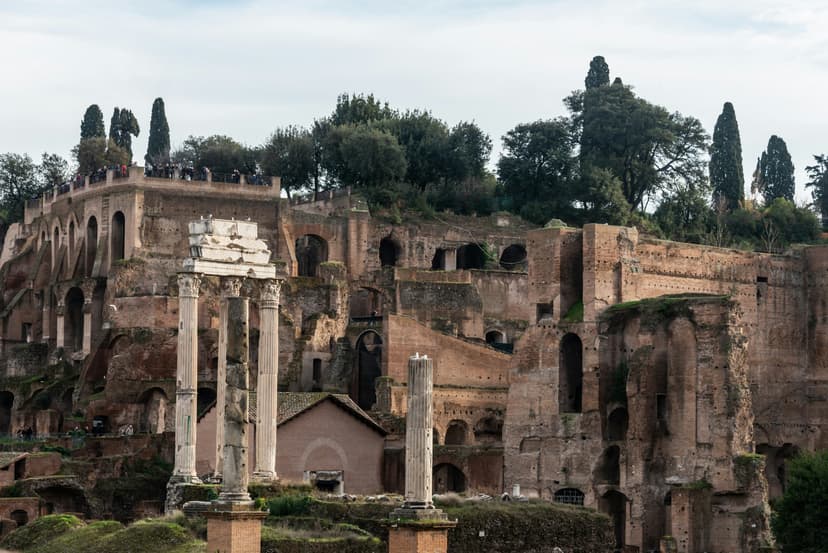
April 21 was both the ancient shepherds' feast of Pales and the legendary birthday of Rome itself — the day in 753 BCE when Romulus supposedly ploughed the sacred furrow around the Palatine Hill. Farmers drove their flocks through bonfires of straw and leapt the flames themselves, a purification rite Ovid describes in loving detail in Fasti IV. The celebrants sprinkled lustral water with laurel branches, burned sulfur for its cleansing smoke, and offered cakes of millet and warm milk to Pales. By the late Republic the pastoral origins had merged entirely with civic pride, and the Parilia became Rome's national birthday — a tradition revived in modern Rome every April 21 with concerts and fireworks at the Circus Maximus.

Floralia — Festival of Flora and Spring

Floralia — Festival of Flora and Spring

April 28

Beginning on April 28 and running through May 3, the Floralia was Rome's most exuberant and uninhibited festival — a six-day carnival honoring Flora, goddess of flowers, spring, and all that blooms. The games featured theatrical mimes so bawdy that Cato the Elder reportedly walked out in protest (at which point the audience demanded the actors strip even further). Revelers wore bright, multicolored garments instead of the usual white toga, scattered beans and lupins into crowds as fertility tokens, and released hares and goats in the Circus as symbols of abundance. The Floralia reminds us that the Romans, for all their martial reputation, knew how to throw a spring party that would make a modern music festival blush.

Why subscribers love it

Each summary includes a vivid sensory detail — what the Luperci smeared on their foreheads, what Romans ate at Saturnalia, what the Floralia stage shows actually looked like — plus a modern connection or try-it-yourself idea, so the calendar feels alive rather than archival.

Feel the rhythm of the Roman year — not as distant history, but as a living calendar of feasts, games, and sacred days

Impress friends with the real story behind Lupercalia (it was not ancient Valentine's Day) and the Ides of March

Discover lesser-known rites like Furrinalia, Mundus Patet, and the October Horse that even most classics students overlook

Every event is cross-referenced to primary sources so you can dig deeper whenever curiosity strikes

FAQs

Some festival dates shifted over the centuries as the calendar was reformed (pre-Julian to Julian). A few minor rites are attested only in late sources or single inscriptions. Where dates vary by source we follow the standard Julian calendar placement and note the uncertainty.

What do I receive each month with the Ancient Roman Festivals - Monthly Calendar?

You receive a curated set of 2-3 events with dates, context, and links to reputable sources. Import the provided ICS file to keep everything in your preferred calendar app.

Can I cancel anytime?

Yes. Cancel with a single click before your next billing date and you will not be charged again.

How accurate is the research?

We cite public, reputable sources and call out where historians or communities disagree. When dates vary by source, we choose a standard reference and note it for you.

How do I add the ICS to my calendar?

Download the ICS file and import it into Google Calendar via Settings → Import, or into Apple Calendar by double-clicking the file on Mac or tapping it on iOS.

Subscribe – $5